
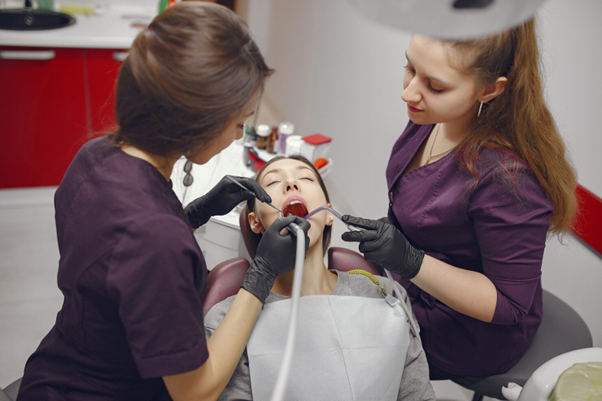
Dental emergencies often occur without warning, bringing sudden pain, discomfort, and concern. Whether it is a severe toothache, a knocked-out tooth, or a fractured crown, the speed at which you respond plays a crucial role in determining the outcome. Acting quickly is not just about relieving pain; it is about protecting your long-term oral health and preventing complications that can become costly and complex.
When patients experience intense dental pain, many eventually require procedures such as a root canal in Lake Mary, especially if the issue stems from deep infection or untreated decay. Delaying treatment in such cases can allow the infection to worsen, making the situation far more difficult to manage.
Seeking emergency dental care at the earliest sign of trouble ensures that the problem is addressed before it escalates. Immediate attention helps preserve natural teeth, prevent infection spread, and maintain overall oral stability.
Understanding What Constitutes a Dental Emergency
Not every dental issue requires urgent intervention, but certain conditions demand immediate care. Recognizing these situations allows you to act swiftly and effectively.
Dental emergencies typically include:
- Severe, persistent tooth pain
- Knocked-out or partially dislodged teeth
- Cracked or broken teeth
- Swelling in the gums or face
- Uncontrolled bleeding in the mouth
- Lost fillings or crowns causing sensitivity
Each of these situations can worsen rapidly if ignored. For example, a small crack may deepen, exposing the inner layers of the tooth and leading to infection. Identifying emergencies early ensures timely treatment and better outcomes.
Preventing Long-Term Damage Through Immediate Care
One of the most critical reasons for acting quickly in a dental emergency is to prevent permanent damage. Teeth and surrounding tissues are highly sensitive, and delays can result in irreversible consequences.
When we intervene promptly, we can:
- Preserve the natural structure of the tooth
- Prevent infection from spreading
- Avoid damage to surrounding teeth and gums
- Reduce the likelihood of tooth loss
Timely care transforms a potentially severe issue into a manageable condition, significantly improving the chances of full recovery.
The Role of Early Intervention in Infection Control
Dental infections can escalate quickly if left untreated. What begins as a minor cavity or gum irritation can develop into a serious infection affecting the tooth’s pulp and surrounding tissues.
Early intervention allows us to:
- Remove the source of infection
- Clean and disinfect the affected area
- Prevent the formation of abscesses
- Protect the jawbone and adjacent teeth
Ignoring signs such as swelling, persistent pain, or sensitivity can lead to complications that extend beyond the mouth. Acting promptly ensures that infections are contained and treated effectively.
Saving Natural Teeth with Prompt Treatment
Preserving natural teeth is always a priority in dentistry. Quick action during an emergency significantly increases the likelihood of saving a damaged or dislodged tooth.
For instance, a knocked-out tooth has the best chance of being successfully reinserted if treated within a short time frame. Similarly, addressing fractures early can prevent the need for extraction.
We focus on:
- Stabilizing the affected tooth
- Restoring its structure and function
- Preventing further damage
Timely care ensures that your natural smile remains intact, reducing the need for replacements such as implants or bridges.
Reducing Pain and Discomfort Quickly
Pain is often the most immediate and distressing symptom of a dental emergency. Severe discomfort can interfere with daily activities, making it difficult to eat, speak, or even rest.
By seeking immediate treatment, we can:
- Identify the root cause of pain
- Provide targeted relief
- Prevent worsening symptoms
Quick intervention not only alleviates discomfort but also restores normal function, allowing you to return to your routine with minimal disruption.
Avoiding Complex and Costly Procedures
Delaying treatment often leads to more complicated dental issues that require extensive procedures. What could have been resolved with a simple treatment may evolve into a condition requiring surgery or multiple visits.
Timely action helps:
- Minimize the extent of damage
- Reduce the need for invasive treatments
- Lower overall treatment costs
Addressing problems early is both a health-conscious and cost-effective approach to dental care.
Protecting Overall Health Beyond the Mouth
Oral health is closely linked to overall health. Untreated dental emergencies can have systemic effects, especially when infections spread beyond the oral cavity.
Potential risks include:
- Spread of infection to other parts of the body
- Increased inflammation
- Complications for individuals with existing health conditions
By acting quickly, we not only protect your teeth but also safeguard your general well-being.
How to Respond Effectively in a Dental Emergency
Knowing what to do during a dental emergency can significantly influence the outcome. Immediate and appropriate action helps stabilize the situation until professional care is available.
Key steps to follow include:
- Rinse your mouth gently with warm water
- Apply a cold compress to reduce swelling
- Preserve a knocked-out tooth in milk or saline
- Avoid chewing on the affected side
- Seek professional dental care immediately
These measures provide temporary relief and prevent further damage while you arrange for treatment.
The Importance of Being Prepared
Preparation plays a crucial role in handling dental emergencies effectively. Having a plan ensures that you can act quickly and confidently when needed.
We recommend:
- Keeping your dentist’s contact information accessible
- Knowing the nearest emergency dental clinic
- Scheduling regular dental check-ups to reduce risks
Being prepared reduces panic and allows for a faster response, improving the chances of a successful outcome.
Acting Fast to Preserve Your Smile
Timely action in a dental emergency is essential for protecting your oral health and preventing long-term damage. By recognizing the signs of an emergency and seeking immediate care, you can preserve your natural teeth, reduce pain, and avoid complex treatments.
A proactive approach ensures that dental issues are addressed before they escalate, allowing you to maintain a healthy, confident smile. Acting quickly is not just a response; it is a commitment to safeguarding your long-term dental well-being.
