
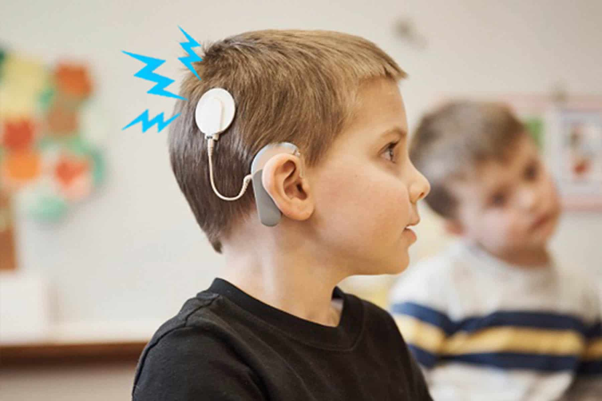
Discovering that your child has significant hearing loss can be an emotional and overwhelming experience. Parents often have many questions about treatment options, long-term outcomes, and how hearing loss may affect their child’s speech, language, and overall development. Fortunately, advancements in medical technology have made cochlear implants a life-changing solution for many children with severe hearing impairment.
Families exploring options such as cochlear implant surgery in Vadodara often seek detailed information about the procedure, eligibility criteria, recovery process, and expected results. Understanding every aspect of the treatment can help parents make informed decisions and feel more confident about their child’s hearing journey.
Choosing the best ENT hospital in Vadodara is an important step in ensuring comprehensive care, from diagnosis and surgical intervention to post-operative rehabilitation and speech therapy. A multidisciplinary approach significantly improves the chances of successful hearing and language development.
What Is a Cochlear Implant?
A cochlear implant is a sophisticated electronic medical device designed to provide a sense of sound to individuals with severe to profound hearing loss who receive limited benefit from conventional hearing aids.
Unlike hearing aids, which amplify sounds, cochlear implants bypass damaged parts of the inner ear and directly stimulate the auditory nerve. The brain then interprets these signals as sound.
A cochlear implant consists of two main components:
- An external sound processor worn behind the ear.
- An internal device surgically implanted beneath the skin and within the cochlea.
The external processor captures sounds from the environment and converts them into digital signals. These signals are transmitted to the internal implant, which stimulates the auditory nerve and enables the child to perceive sound.
Which Children Are Candidates for Cochlear Implants?
Not every child with hearing loss requires a cochlear implant. Careful evaluation is necessary to determine whether the procedure is appropriate.
Children may be considered candidates if they have:
- Severe to profound sensorineural hearing loss in one or both ears.
- Limited benefit from properly fitted hearing aids.
- Healthy auditory nerve function.
- No medical conditions that would prevent surgery.
- Supportive family involvement in rehabilitation.
Age is also an important factor. Research consistently shows that earlier intervention often leads to better speech and language outcomes. Many children receive implants during infancy or early childhood, allowing them to access sound during critical language-learning years.
The evaluation process usually involves hearing assessments, imaging studies, medical examinations, and consultations with audiologists, ENT specialists, and speech-language professionals.
Benefits of Early Cochlear Implantation
One of the most important advantages of pediatric cochlear implantation is the opportunity to support language development during the early years of life.
Children learn language most effectively during critical developmental periods. Access to sound during these years can significantly influence communication skills, academic performance, and social interactions.
Potential benefits of early implantation include:
- Improved speech perception.
- Better language acquisition.
- Enhanced listening skills.
- Greater educational opportunities.
- Improved social development.
- Increased independence and confidence.
Many parents notice remarkable changes after implantation and rehabilitation. Children who previously struggled to respond to sounds may begin recognizing voices, identifying environmental noises, and developing spoken language skills.
What Happens During the Surgery?
Understanding the surgical process can help reduce anxiety for parents.
Cochlear implant surgery is typically performed under general anesthesia and generally takes two to four hours. During the procedure, the surgeon creates a small incision behind the ear and carefully places the internal implant beneath the skin.
An opening is then made into the cochlea, allowing the electrode array to be inserted. Once the device is positioned correctly, the incision is closed.
Most children remain in the hospital for a short period of observation before returning home.
Parents should know that the surgery itself is only one part of the treatment journey. The implant is not activated immediately after the procedure. The surgical site must heal before the external processor can be fitted and programmed.
Recovery and Activation Process
Recovery following cochlear implant surgery is generally smooth for most children.
Some temporary symptoms may include:
- Mild discomfort around the incision site.
- Swelling behind the ear.
- Temporary dizziness.
- Fatigue after surgery.
Most children return to normal activities within a few days to weeks, depending on their age and individual recovery.
Approximately two to four weeks after surgery, the external sound processor is fitted and activated. This appointment is often one of the most anticipated milestones for families.
Parents should understand that activation does not instantly provide perfect hearing. The sounds heard through a cochlear implant may initially seem unfamiliar because the brain must learn to interpret new auditory signals.
The Importance of Speech and Hearing Rehabilitation
The success of a cochlear implant depends heavily on post-operative rehabilitation.
After activation, children participate in auditory training and speech-language therapy programs designed to help them understand sounds and develop communication skills.
Rehabilitation focuses on helping children:
- Recognize environmental sounds.
- Differentiate speech sounds.
- Understand spoken language.
- Develop clear speech.
- Improve communication confidence.
The duration and intensity of therapy vary depending on factors such as age at implantation, hearing history, and individual learning abilities.
Family involvement is one of the strongest predictors of success. Parents who actively engage in therapy activities at home often see greater improvements in their child’s listening and language skills.
Long-Term Outcomes and Expectations
Every child responds differently to cochlear implantation, and outcomes can vary based on several factors.
Children implanted at younger ages generally experience better language development and listening outcomes. Consistent device use, regular follow-up care, and ongoing rehabilitation also contribute significantly to success.
Many children with cochlear implants attend mainstream schools, participate in extracurricular activities, and communicate effectively with peers and family members.
However, parents should maintain realistic expectations. A cochlear implant is not a cure for hearing loss and does not provide identical hearing to that of a person with normal auditory function.
Instead, it serves as a powerful tool that enables access to sound and supports communication development.
Supporting Your Child Throughout the Journey
Parental support is essential throughout every stage of the cochlear implant process.
Children often look to their parents for reassurance, encouragement, and motivation. Maintaining a positive attitude and celebrating small achievements can help build confidence and enthusiasm.
Listening development takes time, patience, and consistent effort. Some children progress rapidly, while others require additional support and therapy.
By staying involved in rehabilitation, communicating regularly with healthcare professionals, and creating a language-rich environment at home, parents can help maximize their child’s potential.
Conclusion
Pediatric cochlear implant surgery offers hope and opportunity for children with severe to profound hearing loss. By providing access to sound during critical developmental years, cochlear implants can support speech, language, educational, and social growth.
Understanding candidacy requirements, the surgical process, recovery expectations, and the importance of rehabilitation helps parents make informed decisions and prepare for the road ahead.
With early intervention, dedicated family involvement, and comprehensive post-operative support, many children with cochlear implants go on to lead active, confident, and fulfilling lives. For parents navigating hearing loss, knowledge and preparation are powerful tools in helping their child achieve long-term success.
